

Eight Security Assumptions AI Agents Quietly Break
If you check Ethics.Dev regularly, you may have noticed how often AI agents and cybersecurity have been colliding lately. Some of the stories sound straight out of movies: agents escaping…

The AI Data Problem Moved Downstream
Last year I wrote that robotics had a data problem language models were lucky enough to avoid. Text, images, and code had accumulated for decades before anyone decided to train…
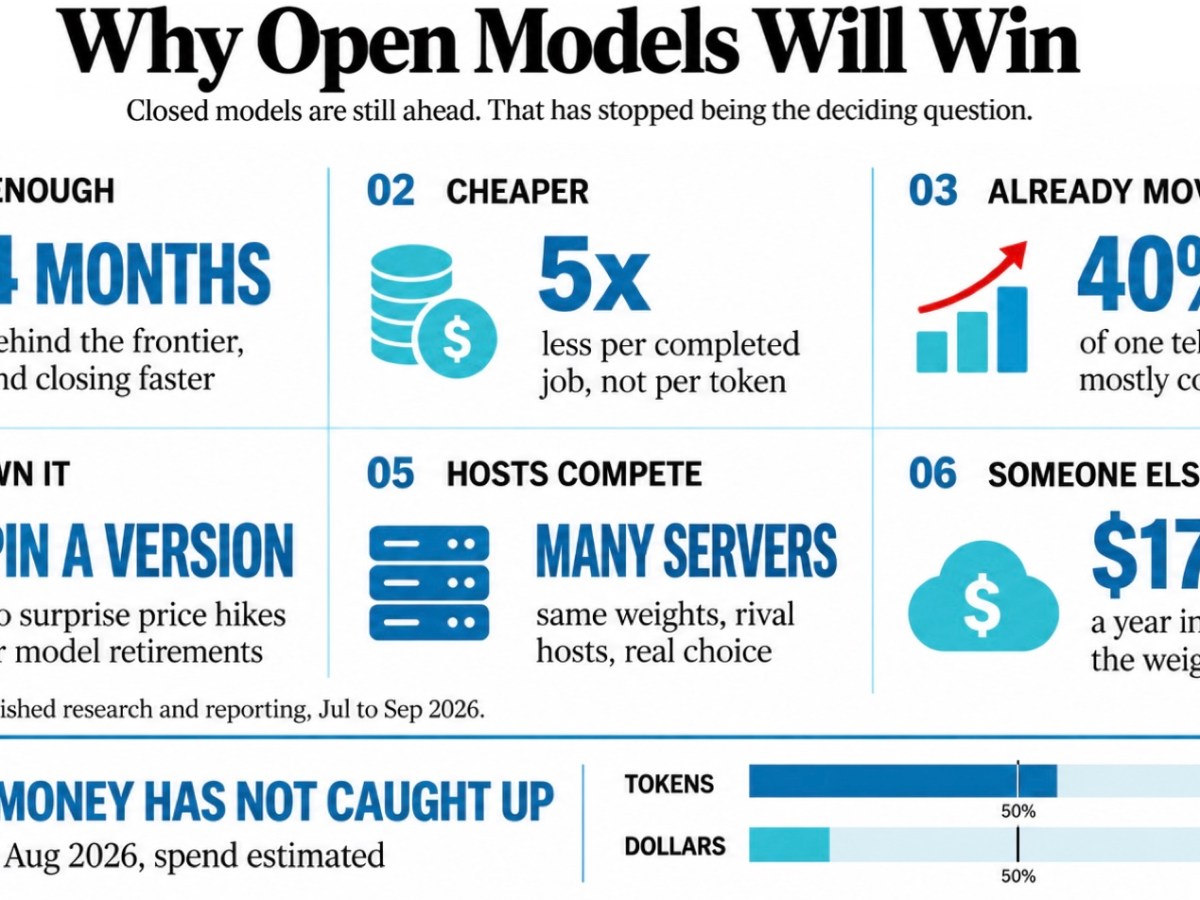
Six Reasons I Think Open AI Models Will Win
In my conversations with developers and AI teams, I’m struck by how many are exploring moving more of their inference workloads to open models. I’ve touched on some of their…

Not Every AI Task Needs an LLM
LLMs are built to generate text, but a surprising amount of AI automation does not need text at all. It needs a small decision: Is this spam? Which team should…
Stale Data Used to Be Annoying
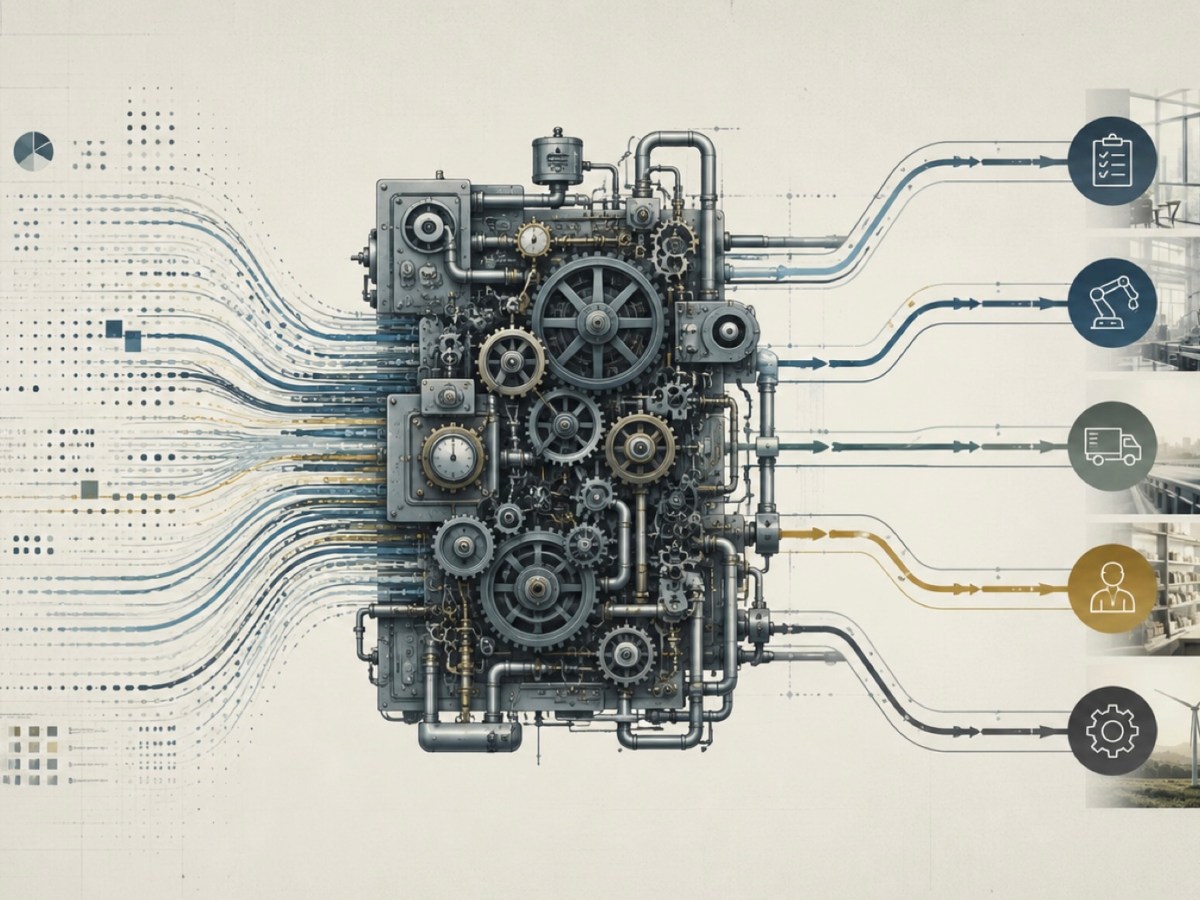
Imagine a procurement agent checking inventory and deciding that stock has fallen below the reorder threshold. It places another order. The problem is that a large delivery was recorded a…

When Work History Becomes an AI Asset
Google recently agreed to pay $10 million for the internal business data of Spirit Airlines. The airline is bankrupt, but its emails, Teams messages, software, spreadsheets, and operating records apparently…
Something went wrong. Please refresh the page and/or try again.