

OpenAI’s Swarm is an experimental open-source framework designed to orchestrate collections of AI agents working collaboratively toward common goals. The idea is compelling: imagine a swarm of lightweight, specialized agents, each handling a piece of a complex task and seamlessly passing information among themselves through natural language. It’s a vision of distributed intelligence that could reshape how we build AI applications.
Swarm emphasizes simplicity and ergonomics. This approach, centered on narrowly scoped agents that are easily managed and orchestrated, mitigates the complexity typically associated with large AI systems. The framework’s natural language interfaces enhance accessibility, potentially enabling a broader range of developers to explore multi-agent configurations.

In theory, frameworks like Swarm could be game-changers for a variety of applications. Consider customer support: a team of specialized agents could rapidly assess problems, offer targeted solutions, and streamline processes like returns, all while reducing errors. In data analysis, multiple agents working in harmony could process and interpret vast datasets instantaneously, uncovering insights that might be missed by conventional systems. Content creation could be enhanced by agents collaborating on research, writing, and editing, streamlining the production of high-quality material.
The Reality Check: Challenges Facing Agentic AI
While Swarm’s potential is intriguing, the practical implementation of agentic AI systems faces formidable obstacles, particularly in terms of processing speed and operational costs. Scaling multiple AI agents presents significant computational challenges and cost barriers. Current performance constraints limit practical applications, particularly in real-time scenarios.
Reliability issues often cause agents to deviate from intended behaviors, resulting in inconsistent and unpredictable outcomes. Without constant human intervention, these systems can veer off course, undermining their utility in mission-critical environments. The inherent ambiguity of natural language further complicates matters, as open-ended instructions such as ‘resolve customer issues’ or ‘enhance team productivity’ are subject to varied interpretations, potentially resulting in misaligned actions by the AI agents.

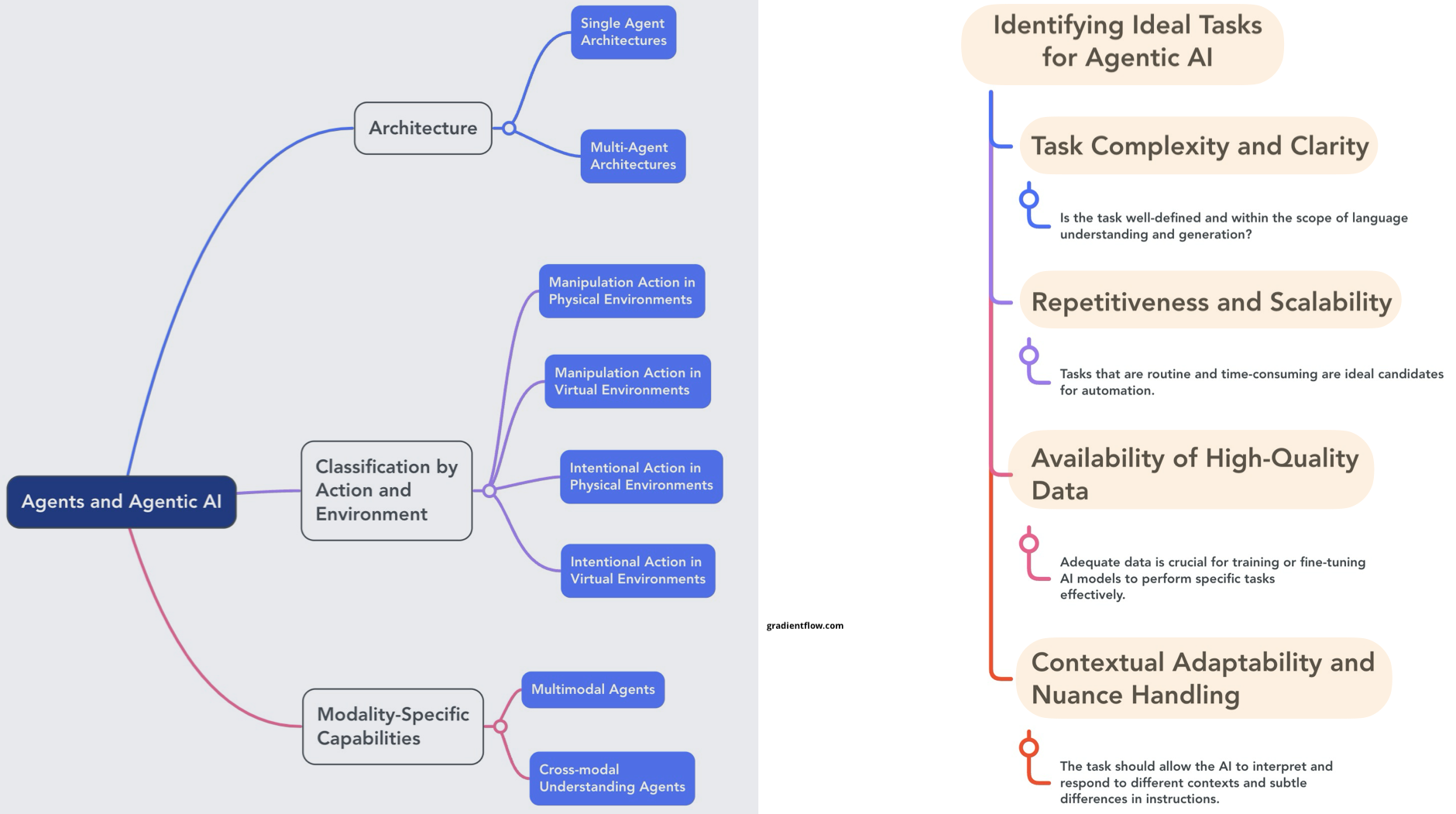
Even the top-performing AI agent models struggle with success rates on real-world tasks. For instance, the WebArena leaderboard—a benchmark for agent performance—shows a success rate of just 35.8%. Such low reliability is a significant barrier to widespread adoption in production environments.
Swarm itself is currently experimental and not intended for production use. While OpenAI encourages community contributions to the framework, it’s clear that we’re not yet at a point where agentic AI can be deployed confidently at scale.
Navigating Forward: A Pragmatic Path to Agentic AI
So where does that leave us? I believe the future of agentic AI lies in persistent refinement and a pragmatic approach that integrates human expertise with AI capabilities. We’re awaiting breakthroughs in AI models that could unlock new possibilities, but in the meantime, the current focus remains on seamlessly incorporating AI into established tools and processes to maximize efficiency and productivity.
Human-in-the-loop systems are likely to play a crucial role. By maintaining human oversight, we can address reliability issues and ensure that AI agents are aligned with our goals. This approach not only mitigates risks but also leverages the strengths of both human intuition and machine efficiency.
Frameworks like Swarm represent a step forward in AI applications. They challenge us to think differently about how we design and deploy intelligent systems. But as practitioners, we must balance optimism with realism, recognizing the current limitations while working toward solutions. For AI teams, the key lies in iterative experimentation, rigorous testing & evaluation, and a willingness to adapt our approaches as we push the boundaries of what’s possible with agentic AI.
Related Content.
- Agentic AI: Challenges and Opportunities
- Function Calling AI: Transforming Text Models into Dynamic Agents
- Joao Moura of CrewAI: Unleashing the Power of AI Agents
If you enjoyed this post please support our work by encouraging your friends and colleagues to subscribe to our newsletter: